
Soul and Saddle Retreats: Find Balance Through Nature
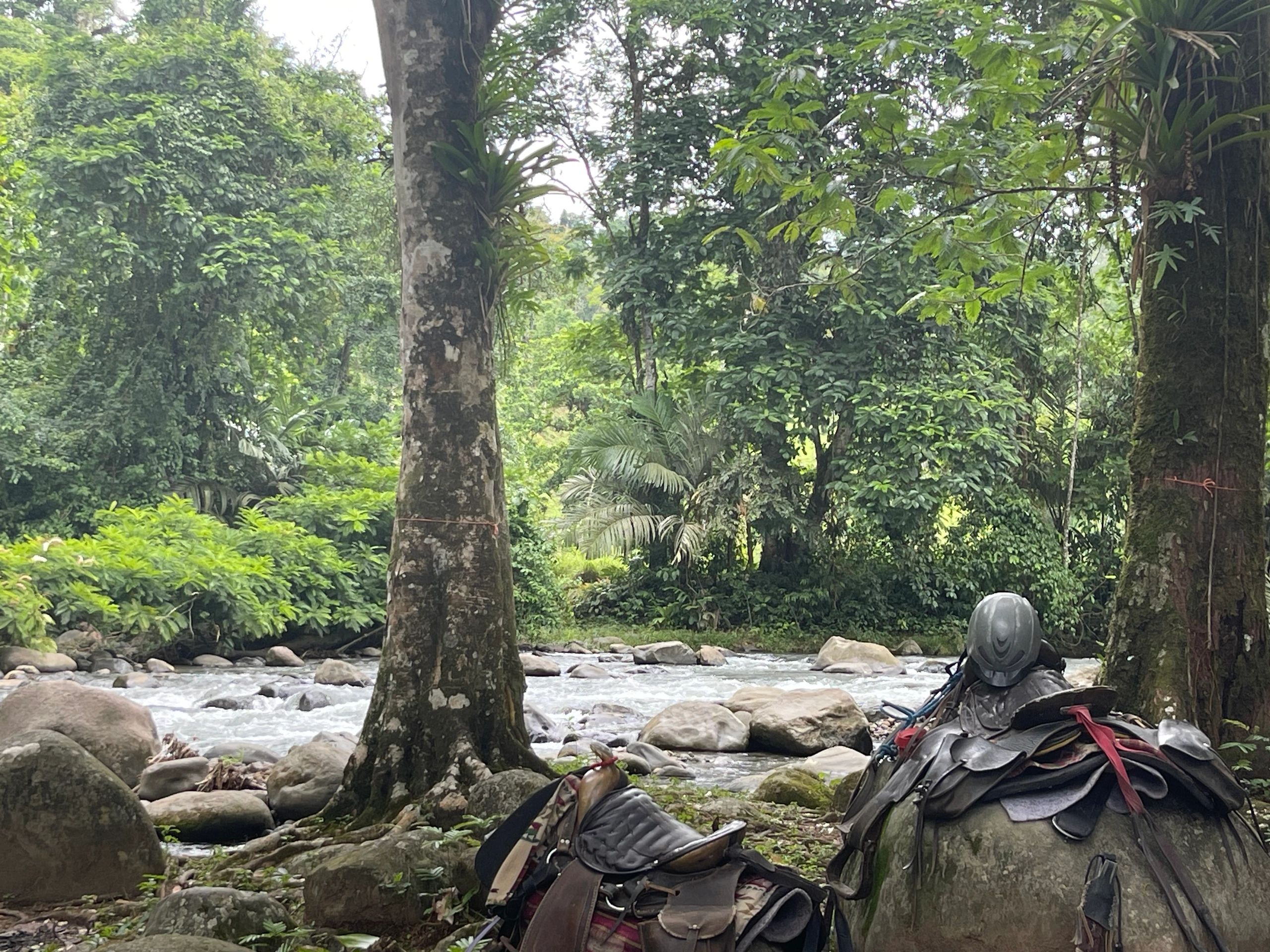
Reconnect with Nature to Rebuild Balance
Modern life moves fast—endless screens, relentless schedules, and constant connectivity can leave even the most active individuals feeling drained. A growing number of people are stepping away from urban routines to find grounded wellness through immersive outdoor experiences that blend physical adventure with mental renewal. From forest meditations to guided trail rides at sunrise, combining nature-based activities with holistic wellness practices helps recalibrate both body and mind.
This shift reflects a broader trend: wellness isn’t just about gyms or spas anymore. Today’s mindful travelers seek transformative escapes where horseback riding through mountain trails, yoga by tranquil lakes, or journaling in secluded meadows aren’t just add-ons—they’re central to the healing experience. These immersive retreats promote presence, encourage disconnection from digital overload, and support stress reduction through deliberate, nature-aligned rhythms.
In this guide, you’ll discover how outdoor adventure and intentional wellness practices work together to restore equilibrium. Learn how to identify retreats that prioritize authentic connection, understand what makes these experiences uniquely effective, and find out how to incorporate nature’s therapeutic benefits into your personal wellness journey—no matter where you live.
Reconnect with Your Body and Mind Through Equine Movement
Horseback riding offers a unique blend of physical engagement and mental clarity, making it a powerful tool for holistic wellness. The rhythmic motion of a horse’s gait naturally encourages core activation, improves balance, and enhances coordination—all while feeling more like an immersive experience than a workout. Because riding requires subtle communication with a large, responsive animal, it fosters a deep state of mindfulness, drawing riders into the present moment and away from daily stressors.
This form of mindful movement helps reduce symptoms of anxiety and depression by aligning breath, focus, and physical alignment. Riders often report increased emotional awareness and resilience after spending time in the saddle, especially when sessions take place in natural settings like coastal trails, mountain paths, or open meadows—environments that amplify the calming effects of equine interaction.
To maximize wellness benefits:
- Choose trails surrounded by nature to enhance sensory grounding
- Practice deep breathing in sync with the horse’s stride
- Focus on subtle cues between you and the horse to build trust and presence
Whether you’re navigating forested paths near the Pacific Northwest or quiet pastures in the Midwest, horseback riding provides a therapeutic bridge between physical activity and emotional balance. It’s not just about riding—it’s about learning to listen, breathe, and move in harmony with another living being.
Rewild Your Mind: The Science of Nature’s Calming Influence
Modern life moves fast, and chronic stress has become an all-too-common companion. Immersive nature experiences offer a powerful, science-backed antidote—helping reset the nervous system and promote mental clarity. When you step away from screens and urban noise into natural environments, your body responds: cortisol levels decrease, heart rate stabilizes, and mental fatigue begins to lift. This isn’t just a feeling—it’s a physiological shift that supports long-term well-being.
Nature immersion acts as a catalyst for personal growth by creating space for introspection and mindfulness. Away from daily distractions, individuals often gain fresh perspective on challenges, uncover creative solutions, and reconnect with core values. Whether it’s a forest trail, coastal path, or mountain overlook, engaging with natural landscapes fosters presence and resilience.
To maximize these benefits:
- Unplug intentionally—limit device use during outdoor time
- Practice sensory awareness—notice the sounds, scents, and textures around you
- Incorporate mindful movement—try walking meditation or gentle stretching in natural settings
- Visit local parks or regional trails to support routine reconnection
Regular exposure to nature isn’t a luxury—it’s a vital component of mental and emotional balance. By prioritizing time outdoors, especially in scenic areas known for tranquility, individuals can cultivate lasting calm and personal insight.
A Day in the Life: Your Guide to a Transformative Wellness & Horseback Retreat
Curious how a wellness retreat centered around nature and horseback riding can reset your mental and physical well-being? Here’s how to structure your ideal day to maximize mindfulness, movement, and connection—whether you’re in the mountains of Colorado or along the coastal trails of California.
Begin with Mindful Sunrise Meditation (6:30–7:15 AM)
Start outdoors with deep breathing and grounding techniques. Focus on synchronizing breath with natural rhythms—listen to birdsong or wind through the pines. Tip: Use guided visualization to set daily intentions.Fuel Up with a Nutrient-Rich Breakfast (7:30–8:30 AM)
Choose whole foods like local organic eggs, seasonal fruit, and gluten-free grains to support energy levels. Prioritize hydration with herbal teas or infused water. Avoid heavy, processed options that cause afternoon crashes.Embark on a Guided Trail Ride (9:00–11:00 AM)
Match ride difficulty to experience level—beginners benefit from calm, well-trained horses and slow-paced forest paths. Focus on breath and connection with your horse. Use the rhythm of the gait to enter a moving meditation state.Engage in Integrative Afternoon Workshop (1:00–2:30 PM)
Join sessions on equine-assisted learning, nature journaling, or stress resilience. These reinforce emotional awareness through non-verbal communication with horses. Ask questions and reflect openly for deeper insight.Wind Down with Evening Movement & Reflection (5:30–7:00 PM)
Practice restorative yoga or forest bathing followed by journaling. Revisit your morning intention—what shifted? Evening routines enhance sleep quality and emotional integration.
7 Key Tips to Choose the Perfect Wellness Retreat for Your Journey
Finding the ideal retreat starts with honest self-assessment and clear intentions. With so many options—from mountain yoga escapes to forest meditation immersions—making the right choice ensures you maximize personal growth and rejuvenation.
Assess Your Experience Level Honestly
Whether you’re new to mindfulness practices or a seasoned practitioner, match the retreat’s programming to your skill set. Beginner-friendly retreats often include foundational instruction in breathwork, gentle movement, and guided reflection, while advanced programs may focus on deep meditation cycles or intensive somatic work.Prioritize Location Based on Your Needs
Desert silence, coastal serenity, or mountain energy—each environment offers unique healing properties. If you crave stillness, consider remote high-desert or forest retreat centers in places like Sedona or Asheville. For ocean-based grounding, coastal regions provide rhythmic, calming energy ideal for emotional release.Align the Retreat’s Focus with Your Personal Goals
Are you seeking stress reduction, emotional healing, or spiritual awakening? Look for retreats emphasizing somatic therapy for trauma release, mindful movement for physical balance, or nature immersion for mental clarity.Check Group Size and Facilitator Credentials
Smaller groups allow for personalized attention. Look for facilitators trained in trauma-informed practices, yoga therapy, or eco-psychology—credentials that signal depth and safety.Evaluate the Daily Schedule
Ensure the rhythm supports your comfort—some retreats begin at dawn with movement, while others allow slow mornings. Balance structure with free time for journaling or solo nature connection.Consider Accessibility and Accommodations
Choose lodging that supports your wellness journey—off-grid cabins encourage digital detox, while eco-lodges may offer modern comforts with sustainability.Review Dietary Offerings and Inclusivity
Most retreats now offer plant-based, locally sourced meals. Confirm if they accommodate food sensitivities or cultural preferences, ensuring nourishment supports overall well-being.
Frequently Asked Questions About Wellness and Equestrian Retreats
What should I pack for a nature-based wellness and horseback riding retreat?
Packing the right gear ensures comfort and readiness for outdoor activities. Bring moisture-wicking clothing for riding and hiking, a durable pair of riding boots or sturdy closed-toe shoes, and a lightweight jacket for cooler mornings or evenings. Don’t forget sunscreen, a wide-brimmed hat, and a reusable water bottle. Most retreats are held in scenic rural areas across the U.S., including mountainous regions and horse country zones, so layering is key. Also pack comfortable yoga attire if your retreat includes mindfulness sessions.
Do I need prior horseback riding experience?
No previous experience is required. Programs are tailored to all skill levels, with beginner-friendly instruction and carefully matched trail horses. Certified guides ensure safety and comfort regardless of your background.
Are these retreats suitable for all ages and fitness levels?
Yes, many welcome adults of varying fitness levels. Activities are often adjustable, and non-riding alternatives like forest bathing or meditation may be available.
Can I attend solo, or are group bookings required?
Solo travelers are welcome and often make meaningful connections. Group rates may be available, but individual sign-ups are standard.
What types of accommodations can I expect?
From rustic-chic lodges to eco-retreat cabins, stays emphasize immersion in nature while maintaining comfort and essential amenities.
Is unplugging encouraged during the retreat?
Yes—many programs promote digital detoxing to enhance mindfulness and connection with nature and fellow participants. Charging stations may be limited.
The Journey Back to Wholeness Begins Where Nature and Movement Meet
The fusion of soulful wellness and mindful equestrian experiences offers a rare kind of healing—one that transcends the limitations of traditional retreats. By synchronizing breath with the rhythmic gait of a horse and grounding your energy in the quiet strength of open pastures, you engage in a deeply therapeutic exchange with nature. These moments aren’t just escapes—they’re recalibrations that restore mental clarity, emotional resilience, and physical alignment.
Key takeaways from this journey include:
- Prioritizing mindfulness in motion enhances mind-body awareness more effectively than static practices alone
- Horses, as intuitive biofeedback partners, reflect inner emotional states and help uncover subconscious stress patterns
- Immersive time in nature significantly reduces mental fatigue, especially for those living in urban environments across coastal and mountain regions
To begin your own transformation:
- Seek out guided retreats emphasizing therapeutic horsemanship combined with somatic wellness practices
- Focus on programs rooted in experiential learning rather than passive observation
- Choose providers with certified facilitators in both equine-assisted wellness and holistic therapy modalities
The path to balance isn’t found in quick fixes, but in intentional, nature-led movement. Start exploring retreats that honor both stillness and stride—your next step toward alignment is waiting just beyond the stable doors.